
Resort & Hotel Internet Over Coax Cable
For high-speed internet and Wi-Fi in resorts, hotels, and motels across the Sunshine Coast, Gold Coast, and Far North Queensland, look no further than North Coast TV and Antenna Service. We have been servicing large coaxial cable systems up and down the Queensland coast for more than 30 years and specialise in the design, installation, and service of high-speed internet over coaxial cable TV systems.
Use Your Existing TV Cabling For Foxtel, Internet & TV
 G.hn Ethernet over Copper is a cutting-edge technology designed to simplify network infrastructure without the need for costly data cabling installations. Ideal for operators managing multi-story buildings or resorts, it allows for seamless Internet connectivity over existing coaxial cables eliminating the hassle and expense of rewiring.
The Importance of Professional Installation
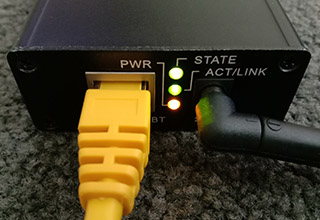
Many IT companies have attempted to implement this technology without a full understanding of how SMATV and MATV systems function within large buildings. As a result, poor installation can lead to degraded TV signals (Foxtel or free-to-air) and unreliable internet speeds in certain areas.
In some cases, these poorly installed systems were removed, and the building reverted to outdated Wi-Fi setups, causing further disruptions. This experience highlights the critical need to work with experienced MATV technicians during both assessment and installation.
Ensure Optimal Performance with a Professional Assessment
Not all building cable configurations are equipped to reliably support G.hn Ethernet over Copper technology. In many cases, existing components must be modified, or new cabling must be installed to ensure optimal performance.
Hiring a professional MATV technician for a thorough system assessment prior to installation ensures that you can:
-
Avoid disruptions to TV and internet signals
-
Eliminate the need for costly second quotes for system modifications or removals
-
Achieve long-term, reliable performance for both connectivity and entertainment need
By investing in expert installation and proper system design, you ensure that your building’s technology infrastructure supports both superior internet performance and high-quality television signals, all without the need for expensive rewiring.
Frequently Asked Questions
Is 2Gbps real with G.hn internet over coax in resorts?
No — the “2 Gbps” claim is usually a theoretical link speed, not real internet throughput. G.hn over coax is often half-duplex and shared among multiple users, so real-world speeds are typically much lower due to overhead, noise, and network congestion.
Does coax internet slow down during peak hours?
Yes. Internet over coax is typically a shared medium, meaning multiple users compete for the same bandwidth. During peak usage times, this can result in reduced speeds and higher latency, especially in apartment buildings or dense areas.
Why is coax internet slower than fiber?
Internet over coax uses electrical signals on shared cabling, which introduces noise, interference, and bandwidth contention. Fiber uses light over dedicated strands, supports full-duplex transmission, and delivers higher real-world speeds with lower latency and better reliability.